
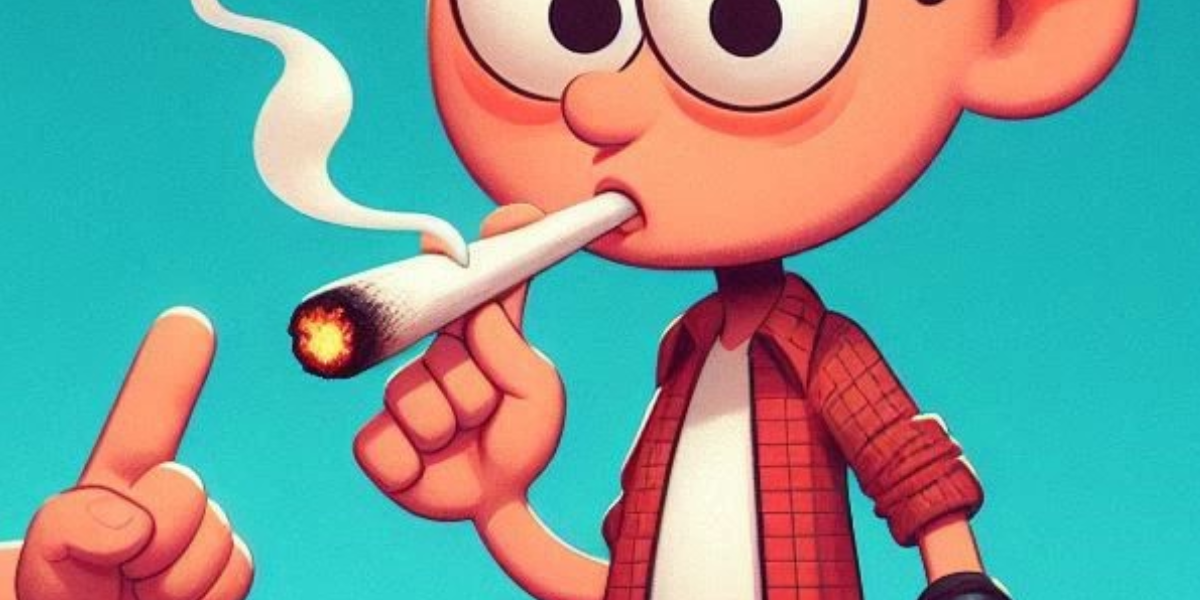
On the official website of the State of New York for cannabis related matters, it says: “Cannabis sativa is a plant with many names – weed, pot, and marijuana – that can have psychoactive characteristics and is consumed for recreational and medical purposes. […]. The cannabis plant contains hundreds of chemical compounds, including cannabinoids and terpenes.” And from its information about the product, it argued that there is no difference between marijuana and cannabis, so in this article, we prioritize the term cannabis.
The use of cannabis for medical purposes when it comes to tetrahydrocannabinol, THC, has controversial results in terms of its benefits, that is why some legislation has allowed the sale of such a product and others have not. As we have seen in the information provided above, cannabis contains huge chemical compounds, mainly cannabinoids and terpenes. Cannabinoids are substances that act on certain cells of our organism from receptors that are in our body, commonly the brain, digestive system, et cetera.
Terpenes are naturally occurring chemicals that are found in plants. They are in charge of the aromas, flavors, and colors associated with several plant species. Terpenes interfere with cannabinoids and the like to produce psychoactive effects. Cannabinoids abound in the cannabis plant and come in varieties like the aforementioned THC, CBD, CBN, et cetera. Legislation that has not allowed the trade of THC has commonly allowed the sale of CBD, CBN, etc., because they do not provide psychotropic effects and are being studied with a view to effective therapeutic results.
The legislations that have allowed the use of CBD or cannabidiol products found in the hemp plant generally indicates that these products must not have a THC level higher than 0.3%, therefore, a product that has more than 0.3% THC is classified as having psychoactive effects. Such products contain chemicals that affect mental activity as a result.
Cannabis can be used for medical purposes as we have seen above, but it can be used for recreational purposes as well. In order for cannabis to be a social issue, we need to look at it from a recreational perspective. Tetrahydrocannabinol, THC, is the most prevalent, as it is found in high content in recreational cannabis and is the basis of the psychotropic effects of marijuana. Recreational cannabis affects our mood, senses, etc., and causes a feeling of euphoria in the subject. It influences our memory and the way we act after taking it.
Cannabis is available on the market in several forms: leaves, dried buds, flowers, etc., and is consumed in various forms as well: weed, resin, oil and other products abundant in THC. Unlike other THC-rich products, which may require higher fees, in underprivileged areas cannabis is consumed in its most traditional form: straw or joint. Smoking straw, taking a joint, or giving a puff are concepts that are widely used to talk about cannabis for recreational use. The cannabis joint or all-round joint is formed from paper that wraps the weed or cannabis flowers so that it can be smoked.
Recreational cannabis in the case of tetrahydrocannabinol has direct effects on the brain and digestive system, that is why the user, after taking it and depending on the amount, can be the object of great euphoria. Consumers who are looking for constant well-being find themselves in a situation of dependence. Cannabis, depending on the amount consumed and the frequency, can cause more appetite or suppress it. Low consumption promotes appetite while high consumption suppresses it. As a result, those who consume it too much are thin and are wasting away.
As cannabis is consumed more in disadvantaged areas, those who use it in moderation and who do not have enough income to meet their food needs find themselves in a situation of continuous need; they can resort to larger and regular joints to satisfy their needs accordingly. In fact, in both scenarios, the effects of recreational cannabis are not benign. In addition, still in the context of significant and regular consumption, cannabis causes psychosis – hallucinations, delusions, loss of personal identity, etc. – and, over time, the subject could find himself/herself in a world apart, separate from reality.
Cannabis gives enough energy to users to be able to achieve a difficult crime goal; in addition to this, those who find themselves in a situation of dependence can do everything to get it in order to satisfy their needs. Cannabis also acts on the respiratory system; stoners often fall victim to lung infections and even lung cancer. Those who smoke straw may see their lips pasty and are at risk of gingivitis; they may see their eyes and lips change color as well.
Cannabis for recreational use, in short, has high and deteriorating effects, it abuses health in general. Its effects on health are enormous. However, in New York and everywhere else, it is not uncommon on one’s way to see an individual in the middle of puffs of smoke coughing incessantly; taking joints is his/her habit.